(Immersive) Visualization for Running













Running is a popular activity that is becoming increasingly data-driven. However, existing wearable technologies to support runners are limited. For example, smartwatches are small and hard to read while running. In this project, we look at how we can augment the running experience with first-person, egocentric visualizations.
Towards Immersive Visualizations for Running
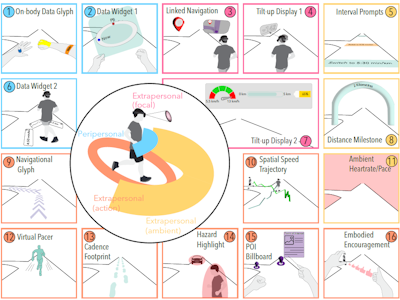
We investigated the current research on in-situ visualizations for running: visualizations about data that are referred to during the running activity. We analyzed 47 papers from 33 Human-Computer Interaction and Visualization venues and identified six dimensions of a design space of in-situ running visualizations. Our analysis of this design space highlights an emerging trend: a shift from on-body, peripersonal visualizations (i.e., in the space within direct reach, such as visualizations on a smartwatch or a mobile phone display) towards extrapersonal displays (i.e., in the space beyond immediate reach, such as visualizations in immersive augmented reality displays) that integrate data in the runner's surrounding environment.
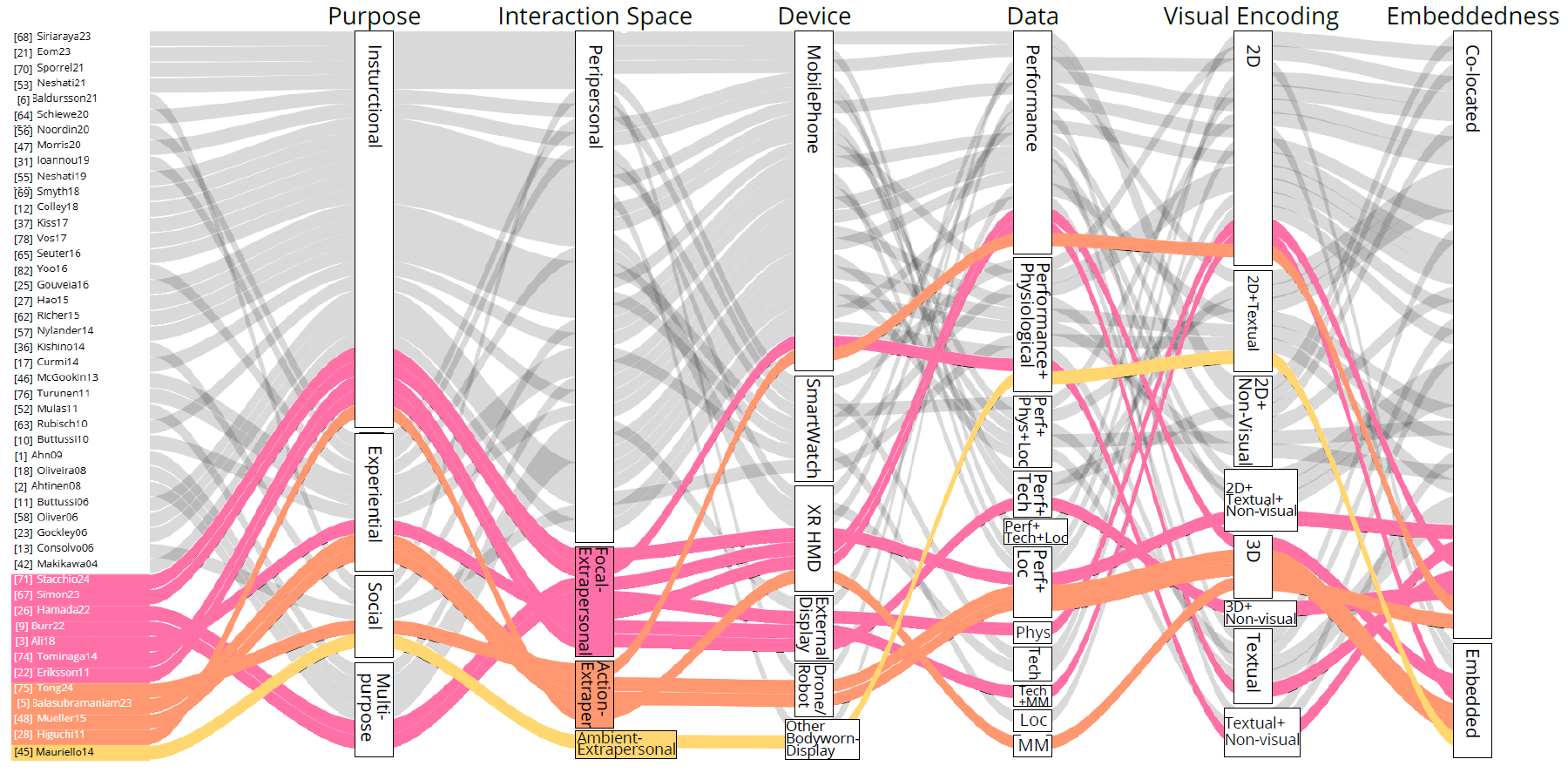
The design space of in-situ running visualizations based on our scoping survey of 47 papers
(interactive version available at https://runningwithdata.github.io/)
We explored this opportunity by conducting a series of workshops with 10 active runners, eliciting design concepts for running visualizations and interactions beyond conventional 2D displays. We found that runners show a strong interest for visualization designs that favor more context-aware, interactive, and unobtrusive experiences that seamlessly integrate with their run. These finding inform a set of design considerations for future immersive running visualizations and highlight directions for further research.
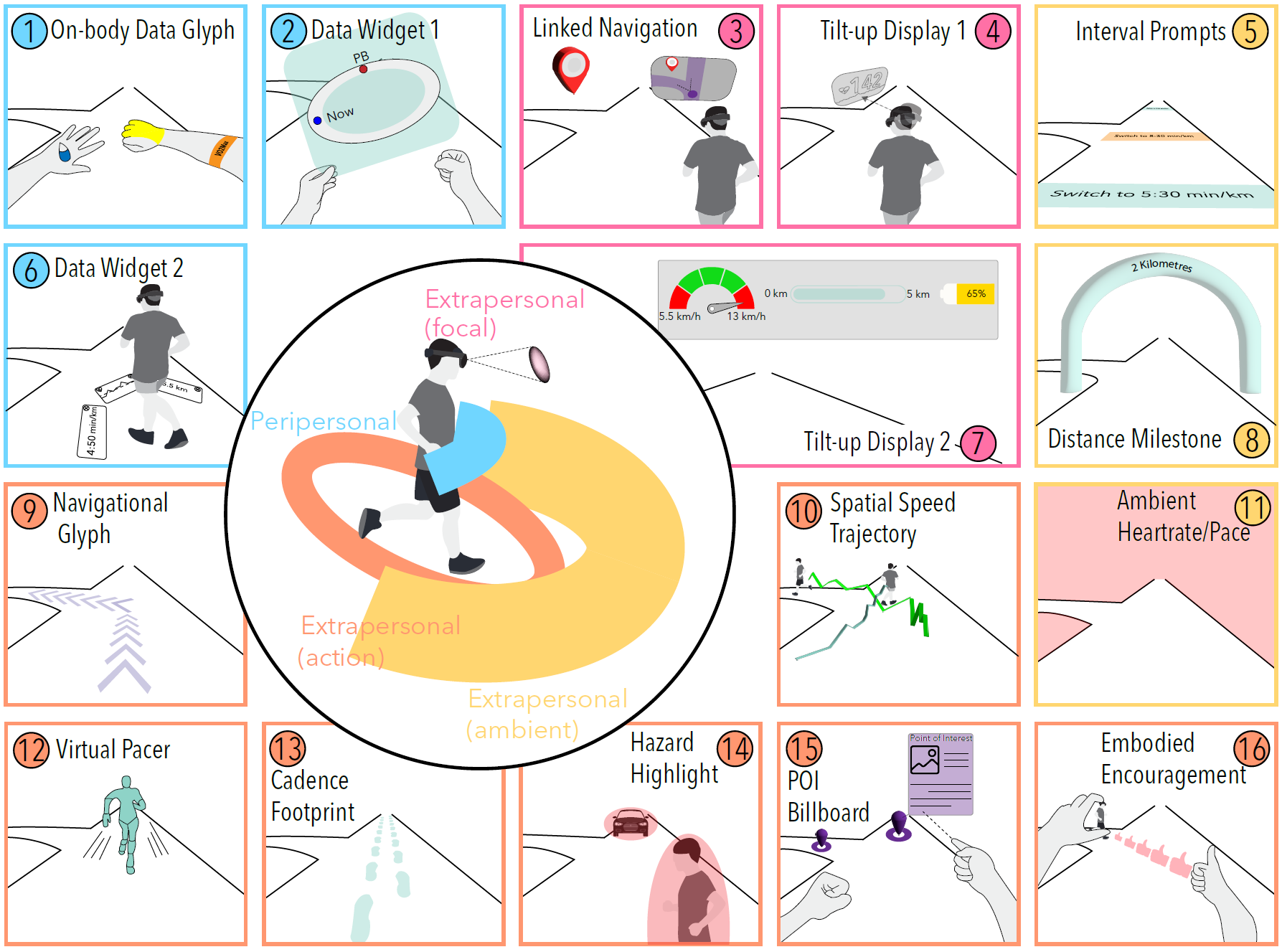
Speculative designs mapped to Previc's Action Spaces
Immersive Pace Visualizations
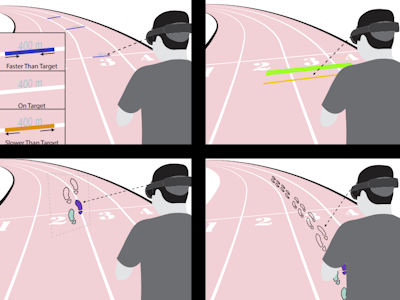
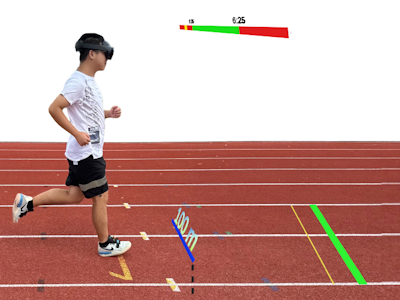
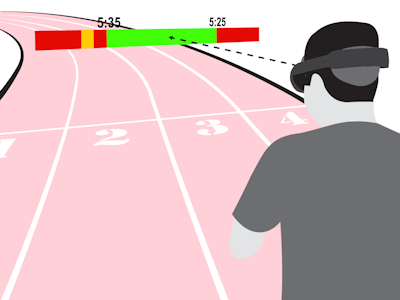
We investigated the use of mixed reality visualizations to help pace tracking for interval running. We introduced three immersive visual designs to support pace tracking. Our designs leverage two properties afforded by mixed reality environments to display information: the space in front of the user and the physical environment to embed pace visualization. We reported on the first design exploration and controlled study of mixed reality technology to support pacing tracking during interval running on an outdoor running track. Our results show that mixed reality and immersive visualization designs for interval training offer a viable option to help runners (a) maintain regular pace, (b) maintain running flow, and (c) reduce mental task load.
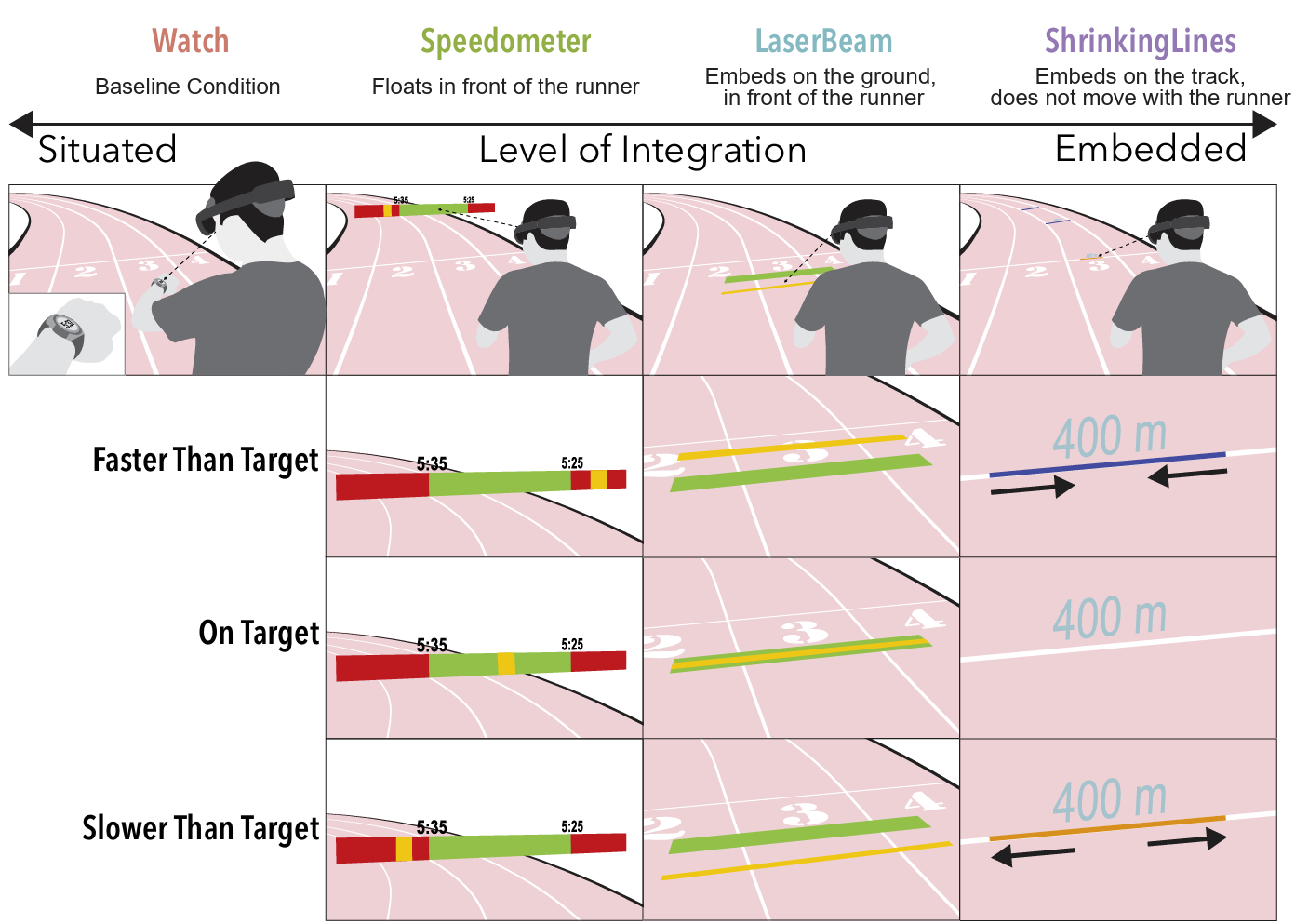
Three immersive visualizations on the spectrum of situatedness
Visualizations on Smart Watches
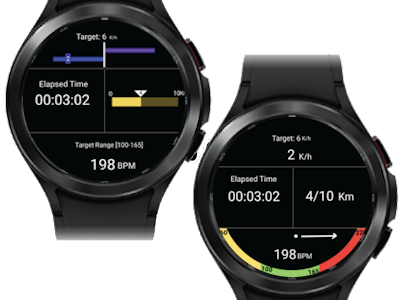
Besides immersive technologies, there is already a lot to do regarding how data is being leveraged on existing technologies when running.In fact, and although research tells us that visualizations are a good alternative to text on smart watches, we know little about how visualizations can help in realistic running scenarios. We conducted a study in which 20 runners completed running-related tasks on an outdoor track using both text and visualizations. Our results show that runners are 1.5 to 8 times faster in completing those tasks with visualizations than with text, prefer visualizations to text, and would use such visualizations while running, if available on their smart watch.

Visualizing running data on smart watches
What do runners need?
Interestingly, we know little about what information runners need access to and for what purpose, while they are running. We looked into creating an initial corpus of real-world recordings that pair egocentric video, biometrics, and think-aloud observations of running activities, among others. With the increasing use of tracking and recording devices, such as smartwatches and head-mounted displays, more and more data is available in real-time about a person's activity and the context of the activity. However, not all data will be relevant all the time. Instead, athletes have information needs that change throughout their activity depending on the context and their performance. To address this challenge, we collected a diverse corpus of information needs paired with contextualizing audio, video, and sensor data.
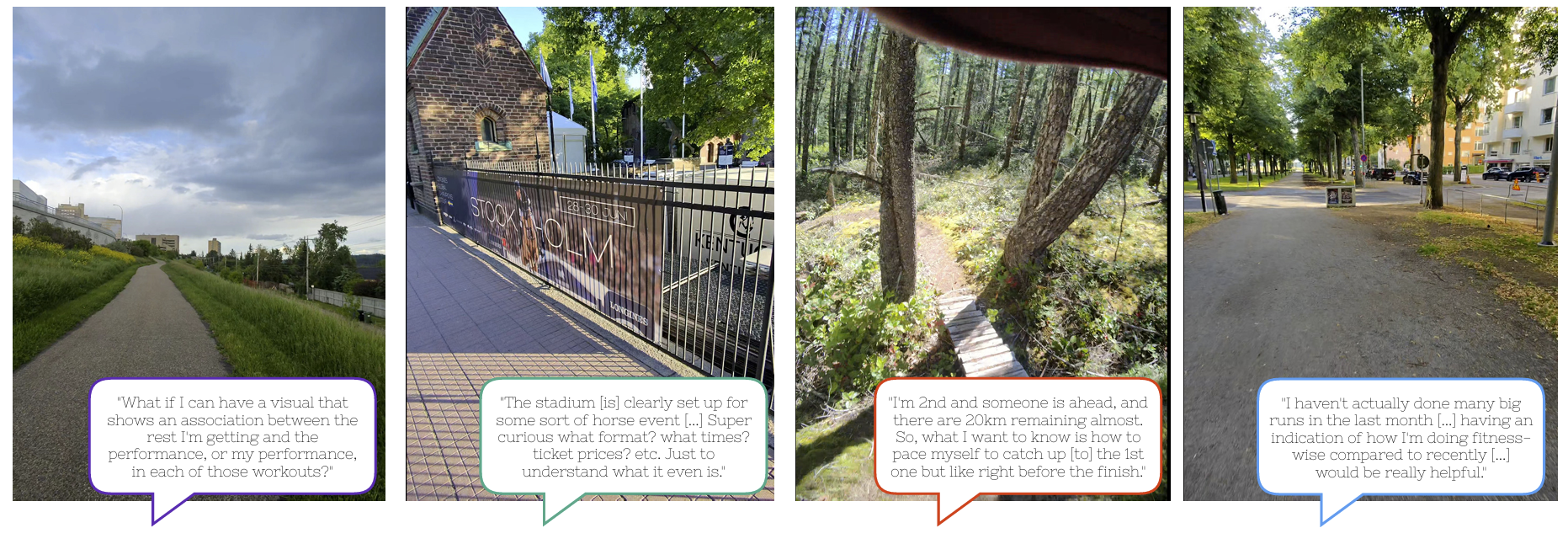
Capturing Information Needs and Context
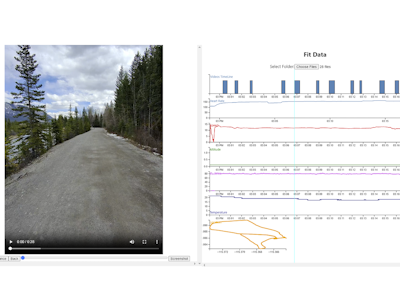
Through this project, we identified a first set of research challenges and design considerations that highlight the difficulties of visualizing those real data needs in-context. We also built a a prototype tool for browsing, aggregating, and analyzing this corpus.
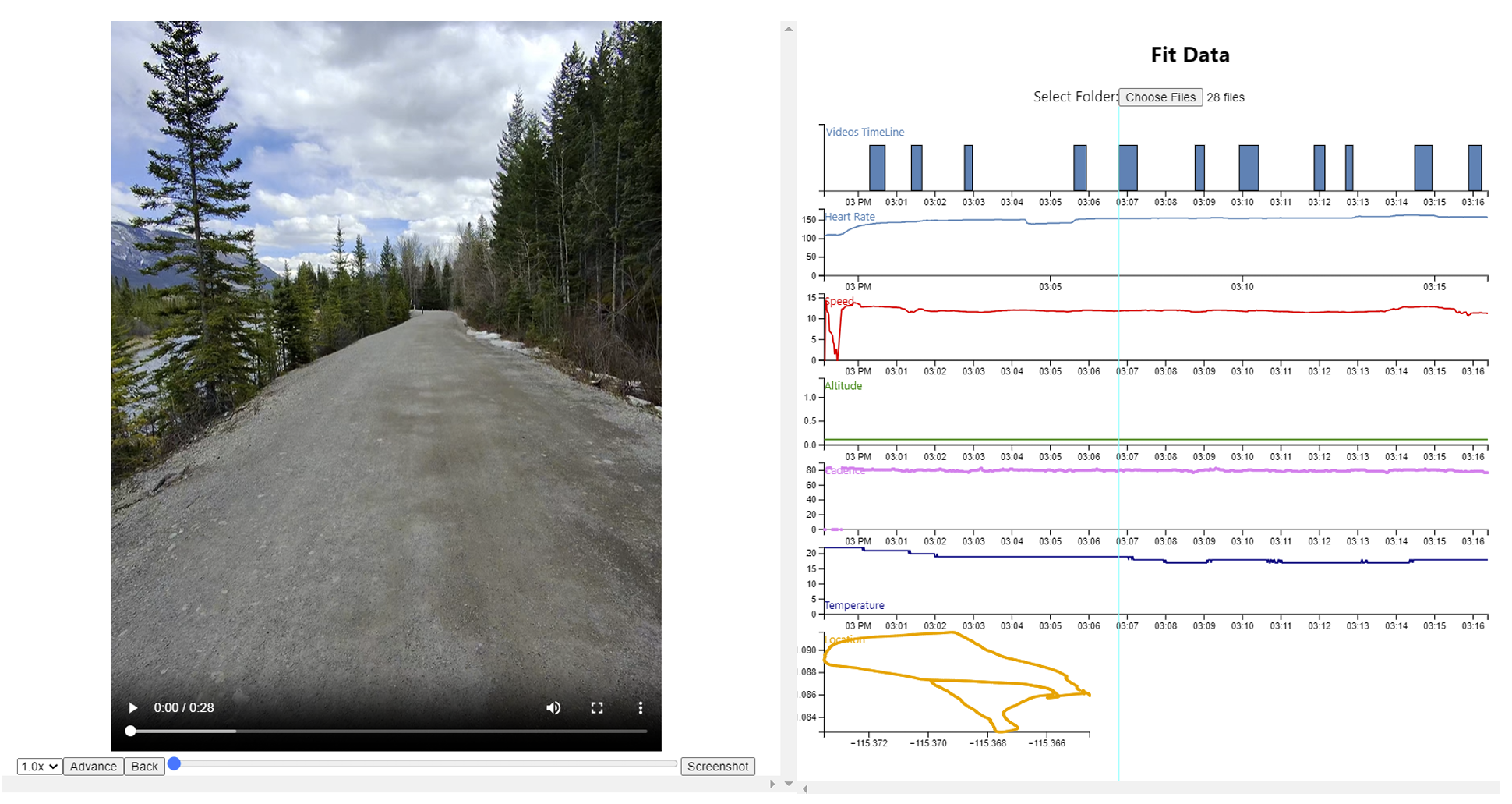
Prototype Tool for Exploring the Corpus of Contextualized Data Needs
Videos
Project Publications
-
 Challenges and Opportunities for Immersive Visualizations for Running Proceedings of the ACM CHI 2026 workshop: Next Steps for Augmented Reality On-the-Move: Challenges & Opportunities, Barcelona, Spain. 2026.

-
 Ultra-Running as a Proxy Activity to Investigate XR for Challenging Environments Technical Report. 2026.
-
 Running with Data: A Survey of the Current Research and a Design Exploration of Future Immersive Visualisations IEEE Transactions on Visualization and Computer Graphics (TVCG / Proc. VIS '25). IEEE. 2025.

-
 Embedded and Situated Visualisation in Mixed Reality to Support Interval Running - A Research Highlight IEEE VIS 2025 Electronic Conference Proceedings, Vienna, Austria. IEEE. 2025.

-
 Embedded and Situated Visualisation in Mixed Reality to Support Interval Running Computer Graphics Forum (CGF / Proc. of Eurovis '25). The Eurographics Association & John Wiley & Sons, Ltd. 2025.

-
 Visualizations on Smart Watches while Running: It Actually Helps! IEEE VIS Short Papers (Proc. VIS '24). IEEE. 2024.

-
 Collecting Information Needs for Egocentric Visualizations while Running Proceedings of the IEEE VIS 2024 workshop: First-Person Visualizations for Outdoor Physical Activities: Challenges and Opportunities, St. Pete Beach, FL, USA. 2024.